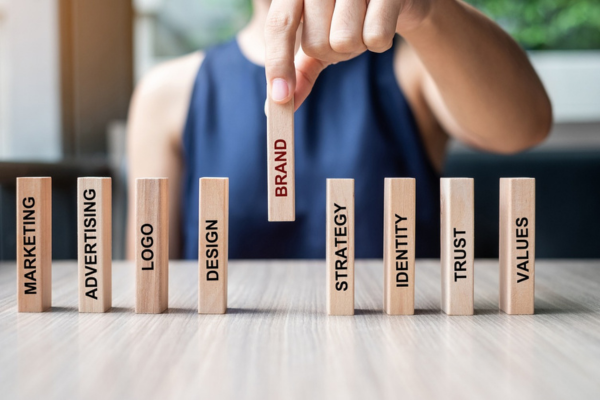

Strategic Brand Development for Growth: Expert Brand Positioning and Identity Strategies to Drive Business Success
Strategic brand development is a critical component for companies aiming to achieve sustainable growth in an increasingly competitive landscape. This approach emphasises the importance of well-defined brand positioning and identity to resonate with target audiences. As businesses grapple with consumer expectations and market trends, leveraging effective branding strategies can be a game-changer. This article will delve into fundamental aspects of strategic brand development, including key elements of brand positioning, identity design practices, and growth planning techniques. By understanding these principles, businesses can implement concrete strategies that enhance their market presence and drive success.
What Are the Core Elements of Effective Brand Positioning?
Effective brand positioning is about developing a unique place in the market that sets a brand apart from its competitors. This strategy involves understanding key elements like the target audience, the unique value proposition, and market differentiation. By grasping these components, businesses can ensure that their brand stands out and resonates effectively with consumers.
How Does Brand Positioning Influence Market Perception?
Brand positioning significantly impacts how consumers perceive a brand. This perception shapes consumer attitudes and can directly influence buying decisions. Brands that convey a clear message about their uniqueness and value tend to foster a positive image, which aligns with market trends and consumer expectations. Understanding these dynamics helps businesses fine-tune their strategies to better connect with their audience.
What Frameworks Support Strong Brand Positioning Strategies?
Several frameworks can assist in developing effective brand positioning strategies. Tools such as SWOT analysis, positioning maps, and value proposition canvases provide structured approaches for identifying strengths, weaknesses, opportunities, and threats. By deploying these frameworks, companies can highlight their market position effectively while ensuring alignment with consumer needs and evolving trends.
Which Brand Identity Design Practices Support Sustainable Growth?
Developing a cohesive brand identity is essential for sustainable growth as it helps create lasting impressions. This involves designing consistent visual elements, aligning messaging, and employing user engagement tactics that resonate with the intended audience. Strong brand identities contribute to customer loyalty and recognition, key components for long-term success.
What Visual and Messaging Elements Constitute Brand Identity?
Brand identity comprises various visual and messaging elements, including logos, typography, color schemes, and taglines. These components work cohesively to convey a brand’s values and personality. A clear tone of voice also plays a crucial role in how a brand communicates with its audience, making consistency across all channels vital for building trust.
How Do Brand Identity Services Align With Strategic Branding Goals?
Brand identity services are integral to aligning a company’s offerings with its strategic branding goals. This includes conducting brand audits, facilitating rebranding processes, and integrating customer feedback. By leveraging these identity services, businesses can refine their approach to ensure that their brand identity resonates with consumers and supports overarching brand objectives.
How Does Brand Strategy Consulting Accelerate Brand Development?
Brand strategy consulting presents an opportunity for companies to accelerate their brand development process. Consultants provide expert guidance in strategic planning and resource allocation, ensuring that businesses make informed decisions to achieve their branding goals efficiently.
What Are Key Consulting Services for Brand Growth Planning?
Key consulting services include workshop facilitation, market research assistance, and brand strategy formulation. These services empower businesses to craft tailored strategies that consider current market dynamics and consumer behavior, ultimately leading to enhanced brand positioning and identity.
Which Case Studies Demonstrate Successful Brand Development Outcomes?
Examining case studies of successful brand development offers valuable insights into effective practices. Highlighting specific outcomes, these studies illustrate how strategic brand identity services can lead to improved growth and performance metrics. By analysing these examples, businesses can understand practical applications and learn from the successes of others.
What Are Effective Brand Growth Planning Techniques in Modern Markets?
In today’s rapidly changing market, effective brand growth planning techniques are essential. Companies need to adopt new methodologies to remain relevant, focusing on digital strategies, data analytics, and customer-centric approaches that drive engagement and loyalty.
How Is Brand Growth Measured Through Brand Equity Metrics?
Brand growth is often evaluated through brand equity metrics, which assess various factors such as consumer loyalty, brand awareness, and perceived value.
What Role Does Customer Experience Play in Brand Growth?
Customer experience plays an essential role in brand growth, as it directly influences customer satisfaction and loyalty. Positive interactions can foster deeper brand connections, while negative experiences can detract from a brand’s reputation. Businesses must focus on enhancing customer service and engagement to cultivate long-term relationships.
How Can Businesses Implement and Monitor Strategic Brand Development?
Implementing and monitoring strategic brand development involves several key steps, including crafting a clear strategic plan, outlining specific goals, and establishing metrics for success. Continuous assessment ensures businesses remain aligned with market trends and consumer needs.
How to Update Brand Strategies with Emerging Trends and Data?
Updating brand strategies in response to emerging trends and data is vital for maintaining competitiveness. Companies should prioritise market research, remain agile in their strategy modifications, and leverage consumer data for informed decision-making. This proactive approach enables brands to adapt swiftly to changes in consumer behavior and market conditions.